新闻

RapAdmin

A new writeup on mTOR and Rapamycin by NeuroAge Therapeutics founder Christin Glorioso, MD, PHD:

The mammalian target of rapamycin (mTOR) pathway is arguably the most studied and therapeutically actionable longevity pathway in biology. This ancient nutrient-sensing pathway integrates signals from growth factors, nutrients, energy status, and stress to coordinate cellular growth, metabolism, and aging.

The story of mTOR is one of the most compelling in longevity science. It’s one of the few pathways where we already have FDA-approved drugs (rapamycin and its analogs) that extend lifespan in multiple species and are being used off-label by longevity enthusiasts.

But the mTOR story is more nuanced than “inhibition equals longevity.” This pathway represents a fundamental trade-off in biology: between growth and reproduction on one side, and maintenance and longevity on the other. Understanding where you sit on this spectrum through genetics, biomarkers, and personal health status is key to optimizing this pathway for healthy aging.

What is mTOR and Why Does It Matter?

mTOR is a serine/threonine protein kinase that exists in two distinct complexes: mTORC1 and mTORC2. Think of mTOR as your cell’s master growth controller—a molecular switch that determines whether your cells should be in “growth and building mode” or “maintenance and repair mode.”

Read the full article at link below:

mTOR: Genetic Variants, Rapamycin, Longevity, and Brain Health (C.Glorioso PHD)

RapAdmin

A new study from Tongji University’s Shanghai Institute of Maternal Fetal Medicine reveals that the anti-aging drug rapamycin may counteract infertility caused by endometriosis — by rejuvenating aging ovarian cells and restoring healthy follicle development.

Endometriosis, which affects up to 15% of women of reproductive age and half of those seeking fertility treatment, is characterized by endometrial tissue growing outside the uterus. The disorder fosters an inflammatory, oxidative environment in the pelvis, which damages the ovaries and impairs egg maturation. Previous work has linked this oxidative stress to cellular senescence — a process in which cells permanently stop dividing but continue releasing pro-inflammatory molecules that disrupt tissue function.

In the new study, researchers induced endometriosis in mice and treated one group weekly with rapamycin, an mTOR inhibitor known to suppress senescence and extend lifespan. Compared with untreated animals, rapamycin-treated mice showed lower levels of oxidative stress markers in their peritoneal fluid and fewer senescence markers (p16, p21, γH2AX) in ovarian tissue. Levels of antioxidants such as superoxide dismutase and glutathione peroxidase were restored to near-normal values.

The drug’s effects were also evident in ovarian structure. Untreated endometriosis mice had an overabundance of dormant primordial follicles but few mature or luteal follicles — a pattern consistent with impaired follicle maturation. Rapamycin reversed this, restoring the number of mature follicles and increasing expression of gonadotropin receptors necessary for ovulation.

At the molecular level, the team identified a key regulatory pathway: rapamycin activated the PPARα–IGFBP2 axis, a signaling route previously linked to metabolism and anti-aging mechanisms. Both PPARα (peroxisome proliferator-activated receptor-α) and IGFBP2 (insulin-like growth factor-binding protein 2) were sharply reduced in endometriotic ovaries but normalized with rapamycin treatment. Follow-up experiments in cultured granulosa cells confirmed that activating PPARα boosted IGFBP2 expression and protected against oxidative stress–induced senescence, while silencing PPARα worsened it.

The findings suggest that oxidative stress drives ovarian aging in endometriosis through suppression of the PPARα/IGFBP2 pathway — and that rapamycin can interrupt this cascade to preserve fertility.

Although fertility outcomes such as pregnancy rates were not directly measured, the research offers a mechanistic bridge between cellular aging biology and reproductive medicine, pointing to rapamycin and related senescence-modulating drugs as promising therapeutic candidates for endometriosis-related infertility .

Open Access Paper:

Rapamycin improves endometriosis‑related infertility involving ovarian senescence via the PPARα/IGFBP2 pathway

See Also:

RapAdmin

A team of Chinese researchers has discovered that a short burst of the longevity drug rapamycin temporarily shrinks the thymus—the immune system’s training ground—but then triggers an unexpected wave of regeneration that leaves the organ larger and seemingly more youthful than before. The findings, published in the European Journal of Pharmacology, could help explain rapamycin’s anti-aging reputation and point toward new ways to rejuvenate the immune system.

The thymus, located just behind the breastbone, is where immature immune cells mature into T cells that defend the body against infection and cancer. The gland naturally atrophies with age, contributing to weakened immunity in older adults. In the new study, scientists at Zhejiang Chinese Medical University treated young female mice with low-dose rapamycin (1 mg/kg per day for three days), a compound known to inhibit the mTOR signaling pathway and extend lifespan in many species.

Immediately after treatment, the thymus shrank by nearly half. Microscopy revealed loss of the tissue’s intricate architecture—particularly the medullary and subcapsular thymic epithelial cells that guide T-cell development. The number of developing T cells dropped sharply, and telomeres, the protective DNA caps associated with cellular youth, grew shorter.

But within two weeks of stopping rapamycin, the thymus bounced back—exceeding its original size by about 30 percent. Regenerating glands showed renewed cellular organization, lengthened thymocyte telomeres, and restored populations of double-positive and CD8-single-positive T cells. Gene analyses indicated renewed activity of Foxn1 and Klf6, transcription factors linked to thymic epithelial repair, along with elevated Sirt3 and Sirt6, two longevity-associated genes.

The researchers also tested whether two other compounds with anti-aging reputations—interleukin-7 (IL-7) and metformin—could enhance this recovery. While both agents improved certain molecular or immune markers, neither accelerated overall thymic regrowth. IL-7 lengthened telomeres and improved peripheral T-cell balance, whereas metformin boosted mitochondrial health and the positive selection of maturing T cells.

Taken together, the data suggest that rapamycin induces a kind of “controlled stress” in the thymus, prompting the organ to rebuild itself stronger and potentially rejuvenate immune function. The study was limited to young female mice and a short 14-day observation window, so it remains unclear whether similar effects occur in aged animals or humans. Still, the work adds a striking piece to the puzzle of how mTOR inhibitors might not just slow aging—but reset parts of the body’s immune machinery to a more youthful state.

Source Paper (Paywalled): Kinetics of thymic regeneration in female mice following short-term rapamycin administration

European Journal of Pharmacology, Volume 1003, 15 September 2025, 177960

RapAdmin

It looks like Cambrian Bio has a new product/ spinout that replicates the skin anti-aging benefits of topical rapamycin. This is a vote of confidence for the DIY’ers already using rapamycin skin cream, as we’ve documented: DIY Rapamycin skin cream and Rapamycin May Slow Skin Aging (Drexel U. Study)

Of course, rapamycin is off-patent, so they needed to come up with a new molecule they could patent and charge higher prices on. Part of their marketing strategy is to play up “safety” concerns of rapamycin, but topical rapamycin does not enter the bloodstream, and of course the rare significant side effects with orally taken rapamycin are typically at very high, daily doses used in cancer treatment or organ transplant applications vs. the pulsed dosing used in longevity and skincare applications.

Overall, I see this launch as a win/win for people. There will be (hopefully) more research done on commercial, topical (patented) rapalogs, and at the same time a low cost option (rapamycin DIY cream) is available for those who are knowledgeable.

See details below:

From James Peyer, CEO at Cambrian Bio

For more than a decade, scientists have been looking for ways to safely inhibit mTOR to bring the promise of rapamycin to market.

Rahul Mehta and Cambrian Bio spinout Rapalogix Health have accomplished the biggest milestone in the mTOR field since 2009. They have successfully brought a novel mTORC1-specific inhibitor to the market.

Using a clinical trial for skin health with leading dermatologists as a jumping off point, Re-Q is now the first product containing an mTORC1-specific inhibitor - RLX-201 - that can be purchased on a shelf (or in this case, through dermatology offices).

If you’ve been following this field, you know how massive this is. It’s a milestone I’ve been striving for for over a decade. The successes we’re already seeing here can help spur the next milestones both in dermatology and the systemic use of mTORC-1 to prevent chronic disease.

From Rapalogix:

Rapalogix Health is proud to announce the launch of https://www.reqhealth.com/ the official home of Re-Q Health, a new advancement in longevity-inspired skincare.

Powered by RLX-201, our proprietary longevity-focused molecule, Re-Q was developed from research in cellular health and mTOR-pathway science. The result is a formulation designed to help skin feel balanced, resilient, and refreshed, supporting optimal appearance over time.

This launch marks a milestone in our mission to apply cutting-edge longevity research to the future of skincare.

Company website:

State of the Science:

Scientists Uncover How Fine-Tuning mTOR Pathways Could Unlock Longer-Lasting, Healthier Skin

The mTOR pathway, long recognized as a master regulator of metabolism, cell growth, and repair, is emerging as a central player in the biology of skin aging. Acting as the cell’s signal-integration hub, mTOR helps balance the competing demands of growth and maintenance. When this balance tips toward chronic activation, it can accelerate many of the cellular processes that underlie aging.

Recent research highlights that mTOR hyperactivity contributes to multiple hallmarks of aging, including inflammation, senescence, and disrupted tissue homeostasis. Because of this, scientists are increasingly focused on fibroblasts—the skin’s collagen-producing workhorses—as a key point of intervention to restore youthful cellular function.

mTOR operates through two distinct complexes, mTORC1 and mTORC2, which play complementary roles in skin physiology.

  • mTORC1 drives keratinocyte proliferation, fibroblast activity, and extracellular matrix (ECM) production. However, persistent overactivation of this complex promotes cellular senescence, chronic inflammation, and the breakdown of skin structure. In contrast, inhibiting mTORC1 has been shown to stimulate autophagy, enhance mitochondrial performance, and rejuvenate fibroblast function.
  • mTORC2, on the other hand, supports cytoskeletal organization, barrier integrity, and wound repair. Disrupting this complex can impair keratinocyte migration and slow tissue recovery, underscoring its vital role in maintaining healthy, resilient skin.

The emerging consensus among researchers is that selective inhibition of mTORC1—while preserving or enhancing mTORC2 activity—may represent an optimal strategy for maintaining skin vitality. This nuanced approach could suppress the pro-aging effects of mTORC1 hyperactivity without compromising the regenerative benefits governed by mTORC2.


A Shift Toward Biological Longevity in Aesthetic Dermatology

The growing field of “skin longevity” reflects a broader transformation in aesthetic and regenerative medicine: a move away from treating superficial signs of aging toward addressing the molecular causes of tissue decline. With new insights into pathways like mTOR, dermatology is beginning to target cellular senescence, mitochondrial dysfunction, and ECM degradation—the fundamental drivers of visible aging.

The latest findings show that mTORC1 activity increases with fibroblast age, contributing to hallmark aging features such as senescence and disrupted extracellular matrix organization. By intervening at this molecular level, researchers hope to restore not only the appearance but also the function and resilience of aging skin.


Related Research Paper: RLX-201, a Novel mTORC1 Inhibitor With Potential to Promote Skin Longevity and Cellular Health (Dermatologic Surgery)

RapAdmin

A new study in Cell Reports Medicine has uncovered molecular changes that may explain the decline in fertility seen in women in their mid-thirties—and identified a potential treatment. Researchers found that as women age, their egg cells (oocytes) and surrounding cumulus cells show a surge in ribosome gene activity, while genes controlling meiosis, actin, and cohesin become less active. Cumulus cells also display signs of lysosomal dysfunction and impaired protein quality control.

These changes are accompanied by DNA hypomethylation and shifts in chromatin structure that appear to drive excess ribosome gene transcription. In laboratory tests, the drug rapamycin—known for its anti-aging properties—was found to restore protein balance in cumulus cells by slowing translation. Notably, short-term rapamycin treatment helped women with repeated IVF failures produce high-quality embryos, leading to successful pregnancies and live births.

The findings suggest that increased ribosome gene activity may directly contribute to reproductive aging—and that rapamycin could offer a new avenue for treating otherwise unexplained age-related infertility.

In this study, women undergoing in-vitro fertilization who had previously experienced repeated embryo developmental arrest were given rapamycin at 1 mg per day for 3–4 weeks during their IVF cycle. This short-term, low-dose treatment reduced excessive ribosomal activity and improved protein homeostasis in cumulus cells, leading to higher-quality blastocysts and successful pregnancies. The findings suggest that carefully timed, transient mTOR inhibition may help reverse age-related infertility at the cellular level. Additional research is needed to optimize dosing and timing. This was a small study; 6 women with repeated embryo developmental arrest received the short-term rapamycin adjunct.

Key findings related to rapamycin

Here are the points that are specifically tied to rapamycin in the study:

  1. Rapamycin reduced translation load in aged tissues
  • The authors show that aged tissues have an increased ratio of ribosomal protein mRNA to functional ribosomal protein output, and increased “translation burden” — that is, more ribosome biogenesis but less efficient translation/protein folding.
  • Rapamycin treatment in aged animals led to a marked reduction in ribosomal protein mRNA expression, lowers polysome : monosome ratio, and reduced markers of active translation (such as p-S6, phospho-4E-BP1). This effectively reduces the translational load.
  • The net effect is fewer new proteins being produced under a context of aged proteostasis, thereby reducing stress on the folding/quality control machinery.
  1. Improved proteostasis and reduced ribosomal dysregulation signature
  • After rapamycin, aged tissues show improved markers of proteostasis: fewer misfolded proteins, less accumulation of ribosomal protein aggregates, improved autophagy‐lysosomal flux, and a more “youth-like” translational signature (i.e., closer to young tissue when normalized).
  • In other words: rapamycin partially reverses or attenuates the ribosome‐dysregulation signature of older tissues.
  1. Functional read-outs: Senescence / cell-function / tissue markers
  • The rapamycin-treated aged cohort showed lower markers of cell senescence (e.g., p16^INK4a, SA-β-gal) compared to untreated aged controls.
  • There were improvements (or at least trends) in tissue‐specific functional metrics (depending on which tissue – muscle, liver, etc) suggesting that reducing ribosomal burden via rapamycin had downstream benefits.
  1. Timing and magnitude matter
  • The authors emphasise that the intervention was short-term (rather than lifelong), applied in aged animals, and still produced a measurable benefit on the ribosomal/proteostasis axis. This is important for translational relevance.
  • They also show dose-dependence (or at least regimen-dependence) regarding how much translation suppression was achieved without overt toxicity or gross immunosuppression.
  1. Mechanistic insight: mTORC1 → ribosome biogenesis → translational burden
  • The mechanistic model supported by the data: Aging → ↑ ribosomal gene expression and biogenesis (possibly as a compensatory or dysregulated response) → translation inefficiency + proteotoxic burden → cellular/tissue dysfunction.
  • Rapamycin → inhibition of mTORC1 → decreased ribosome biogenesis + translation initiation → reduced translation load → improved proteome homeostasis → improved cell/tissue health.

Full Open Access Paper:

Ribosome dysregulation and intervention in age-related infertility (Cell Reports Medicine)

For a full AI Summary, Analysis and Critique of the paper see this link:

相关阅读:

RapAdmin

(Source: The Financial Times)

New science advances may offer longer life to some, but the socio-economic affects may push others to die sooner

Sometimes I think ChatGPT does the broader field of artificial intelligence a disservice. While hallucinations, slop, exam cheats and robot speechwriters dominate the discourse, other uses of the technology are revolutionising science.

Last year, the Nobel Prize for chemistry was awarded to Google DeepMind’s Sir Demis Hassabis and John Jumper for their pioneering work on AI-powered protein folding. AlphaFold promises to hugely expedite drug discovery and development and is already being used to combat cancers and other diseases.

OpenAI has since joined the fray, developing a small, specialised version of its large language models tailored for longevity science, with promising early results. Developments like these, coupled with the promise of much greater advances around the corner, have prompted some to make bold claims about radical life extension thanks to AI.

But while exploring the latest study of global mortality trends from the Institute for Health Metrics and Evaluation, I was struck by another thought: are we underrating the risk that AI could exert not only upward but also downward pressure on human life expectancy?

One of the headline findings is that although mortality rates continue to edge downwards for older people, deaths among younger, and middle-aged adults have been on the rise in many countries, most notably the US, Canada and the UK.

This concerning wave of middle-aged mortality is often attributed to “deaths of despair” — premature loss of life through suicide, drugs or alcohol, afflicting people in severe distress. But more recent research, which followed thousands of adults in the US over several decades, found that the “despair” framing is not quite right. What marks out those who succumb to self-destructive behaviour is not psychological distress or financial hardship — specifically, it is long-term joblessness and social isolation.

Read the full article: Will AI lengthen lifespans or shorten them? (FT)

相关:

Can AI replace junior workers? (Economist)

The effect is still hard to spot in official data. But a study of 300,000 companies suggests where hiring is weakening

America’s economy is a puzzle. Growth remains healthy enough, yet just 22,000 jobs were added in August, down from 158,000 in April. Amid this lull, one worry is swirling: is generative ai starting to pinch human work?

Which graduates appeared to be squeezed? The study sorted universities into five tiers. Mid-tier graduates fared much worse than those from the top and bottom schools. The authors suspect firms may keep top-tier recruits for their specialist skills and lower-tier ones for their lower cost. The middle, they suggest, may face the strongest threat from ai.

Read the full story: Can AI replace junior workers? (Economist)

Other:

RapAdmin

An interesting new paper. I guess the message is that we should take a lot of rapamycin if we’re planning to suffer from heat stroke :wink: . But it is compelling to learn that this IP injection (1mg/kg dosing) pre EHS exposure obviously got to the brain well enough to protect it.

Exertional heat stroke (EHS) causes severe central nervous system damage, with mitochondrial dysfunction and oxidative stress playing major roles. Mitophagy, regulated by the Pink1/Parkin pathway, removes damaged mitochondria. Here, we investigated the potential of rapamycin (RAPA) to reduce hypothalamic injury in rats subjected to EHS.

RAPA mitigated pathological injury and apoptosis, reduced ROS and MDA levels, and enhanced mitochondrial membrane potential. It downregulated mTOR and p62 levels, upregulated Pink1 and Parkin, increased LC3II/LC3I ratio, and promoted LC3-Tom20 and Pink1-Parkin interactions in the hypothalamic tissue of rats treated with EHS, thereby alleviating hypothalamic injury and preserving hypothalamic function.

Conclusions

  • The authors infer that EHS causes hypothalamic injury via mitochondrial damage, oxidative stress, and inadequate mitophagy.
  • Rapamycin pre-treatment mitigates hypothalamic injury in the EHS model by inhibiting mTOR, thereby activating the PINK1/Parkin-mediated mitophagy pathway, decreasing oxidative damage and preserving mitochondrial function.
  • They propose a mechanistic chain: EHS → mitochondrial damage/ROS → sub-optimal PINK1/Parkin activation → neuronal injury; rapamycin improves this via mTOR inhibition and up-regulating mitophagy.
  • They suggest possible translational relevance for central nervous system protection in EHS patients.

Novelty / Contribution

  • While mitophagy (via PINK1/Parkin) has been studied in many contexts (neurodegeneration, cardiac injury, ageing) the specific setting of hypothalamic injury in exertional heat stroke (EHS) is less well characterised. The study fills a gap by linking EHS-induced CNS injury to mitochondrial damage and mitophagy in the hypothalamus.
  • The use of rapamycin as a therapeutic pre-treatment to up-regulate mitophagy in EHS is relatively novel in this specific domain (hypothalamic injury under heat stress).
  • The mechanistic layering—connecting mTOR inhibition → PINK1/Parkin activation → enhanced mitophagy → reduced neuronal apoptosis/oxidative stress in the hypothalamus after EHS—is a nice integrative contribution.
  • For fields concerned with heat-stroke management, CNS protection, and mitochondrial quality control, this provides new experimental data and a potential target (mitophagy/mTOR).
  • Although rapamycin has been used widely in autophagy/mitophagy research, this particular model (EHS) and tissue (hypothalamus) is less common, so it can stimulate further work into interventions for heat-stroke brain injury.

Full (Open access) paper:

https://www.nature.com/articles/s41598-025-20313-1

RapAdmin

At the Buck Institute for Research on Aging, Novato, CA

Early bird tickets sales end in 5 days for the Longevity Global Summit at the Buck. We have an incredible speaker lineup over 2 days.

Early Bird Tickets: $299

Get your tickets today: https://luma.com/zlfezwd3

More details, speaker list, etc., at following link.

RapAdmin

Someone needs to be doing this type of in-depth analysis on an ongoing basis on the 500 to 1000 longest lived people in the world.

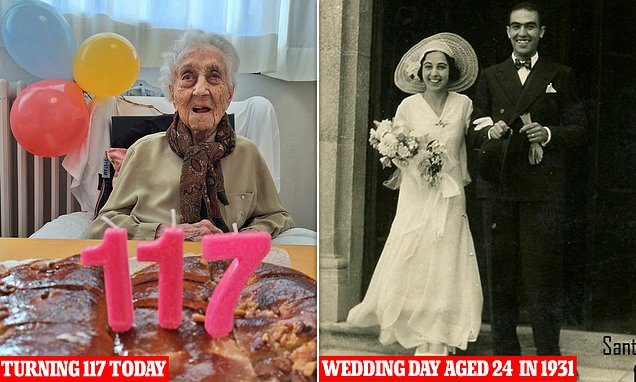
Between 17 January 2023 and 19 August 2024, María Branyas Morera, of Spain, was officially the world’s oldest person, until she died aged 117 years and 168 days. To uncover the secrets of her extraordinary longevity, a team of researchers has done a deep dive into her genetics, microbiome and lifestyle.

When Morera was 116 years old, the team collected samples of her blood, saliva and stool, to analyse her genetics. “She had an exceptional genome enriched in variants in genes that are associated with enhanced lifespan in other species, such as dogs, worms and flies,” says team member Manel Esteller at the Josep Carreras Leukaemia Research Institute in Barcelona, Spain.

Morera, who showed no sign of dementia, also had many gene variants that keep blood lipid levels low, protecting the heart and cognition, says Esteller. “At the same time, she was devoid of gene variants associated with the risk of pathologies such as cancer, Alzheimer’s and metabolic disorders.”

Blood test results also revealed that her lipid metabolism was among the most efficient ever reported, according to the researchers. “Her lipid profile was amazing, with very low cholesterol,” says Esteller. “This was related to her frugal diet and genes that quickly metabolised damaging molecules.”

Esteller says Morera didn’t drink alcohol or smoke, and adhered to a Mediterranean diet, made up of lots of vegetables, fruits, legumes and olive oil. She also ate three servings of plain, sugar-free yoghurt every day.

One of the most “startling” findings was the high levels of Actinobacteriota bacteria in her gut, including the well-known probiotic Bifidobacterium. This typically declines with age, but is elevated in centenarians and supercentenarians, and it is thought to have multiple anti-ageing benefits, such as reducing inflammation.

The team suspects her yoghurt consumption helped continuously replenish her Bifidobacterium levels. “It shows that maybe a dietary intervention can be associated not only with avoiding obesity and other pathologies, but also with prolonged life, acting through the microbiome gut landscape,” says Esteller.

Read the full story: World’s oldest person had a young microbiome and ‘exceptional genome’ (NewScientist)

She lived to 117: what her genes and lifestyle tell us about longevity (Nature Aging)

Branyas aced her bloodwork; she had low levels of ‘bad’ cholesterol and high levels of ‘good’ cholesterol, which suggests an efficient lipid metabolism. Her inflammation markers were also low and she had a strong immune system — at the age of 113, she was the oldest person in Spain to have COVID-19 and survive. “Sometimes our immune cells get a little bit unloyal and start to attack our own cells, causing inflammation,” Esteller says. “There was no nothing like that.”

Esteller thinks Branyas’s lack of inflammation could be linked to her healthy gut microbiome, which resembled that of a much younger person. He points to her high levels of Bifidobacterium, a genus of beneficial bacteria that was probably boosted by her diet, which included three daily servings of yogurt.

Richard Faragher at the University of Brighton in the UK says the study demonstrates how many tests are now available to longevity researchers, but cautions that this is a case report of one individual and there is a “danger that a slightly unusual variant in, for example, a gene can be turned into a scientific ‘just-so story’ about its relevance to ageing”.

全文: She lived to 117: what her genes and lifestyle tell us about longevity (Nature Aging)

Full research paper (Open access): The multiomics blueprint of the individual with the most extreme lifespan (Cell)

Imitation_Black

https://pubmed.ncbi.nlm.nih.gov/40973907/

AI summary


Background

  • The NIA Interventions Testing Program (ITP) evaluates compounds for their ability to extend lifespan in genetically diverse (UM-HET3) mice, across three test sites.
  • Prior ITP findings show a strong male bias in lifespan extension from interventions; very few drugs benefit females exclusively, and rapamycin remains one of the few with robust effects in both sexes.

Study Design

  • Cohort: Mice bred in 2021 (C2021).

  • Interventions tested (starting at 7 months, dietary administration):

    1. 2BAct (ISR inhibitor)
    2. Dichloroacetate (DCA; boosts pyruvate dehydrogenase activity)
    3. Epicatechin (EPI; flavanol from cocoa, improves vascular/mitochondrial function)
    4. Forskolin (FSK; cAMP agonist, multiple protective effects)
    5. Halofuginone (HAL; amino acid restriction response activator, anti-inflammatory)
    6. Mitoglitazone (MIT; PPARγ-sparing thiazolidinedione, insulin sensitizer targeting mitochondrial pyruvate carrier)
  • Lifespan assessed using median lifespan, 90th percentile survival, and Kaplan–Meier survival analysis pooled across three sites.


Key Results

Lifespan Extension

  • Male Mice:

    • Epicatechin (EPI):

      • ↑ Median lifespan by ~5% (p = 0.037)
      • ↑ 90% survival by ~6% (p = 0.01)
    • Halofuginone (HAL):

      • ↑ Median lifespan by ~9% (p = 0.002)
      • ↑ 90% survival by ~7% (p = 0.01)
    • Mitoglitazone (MIT):

      • ↑ Median lifespan by ~9% (p = 0.015)
      • No effect on 90% survival
    • Forskolin (FSK): +8% median survival (not statistically significant).

  • Female Mice:

    • No significant lifespan extension with any agent.
    • MIT even trended toward shortened lifespan (−2.3%, p = 0.07 pooled; significant reduction at one site).

Other Agents

  • 2BAct and DCA: No effect in either sex.

  • Body Weight:

    • MIT increased male body weight at multiple ages.
    • 2BA and DCA increased female body weight at midlife.

Mechanistic Insights

  • Epicatechin (EPI):

    • Improves mitochondrial biogenesis, skeletal muscle function, angiogenesis.
    • Enhances endothelial function, NO signaling, and may protect against age-related vascular decline.
    • Effects emerged late in life, suggesting delayed benefits.
  • Halofuginone (HAL):

    • Mimics amino acid restriction via amino acid restriction response (AAR).
    • Induces FGF21, autophagy, and reduces inflammation/fibrosis.
    • Improved late-life survival, consistent with suppression of inflammation-driven aging.
  • Mitoglitazone (MIT):

    • Insulin sensitizer reprogramming mitochondrial metabolism via MPC.
    • Effects on lifespan appeared early, without benefit late in life.
    • Sex-specific differences may involve androgen suppression/resistance or mitochondrial metabolic differences.

Discussion

  • Adds three new compounds (EPI, HAL, MIT) to the ITP list of lifespan-extending drugs, but only effective in males.
  • Highlights continued male bias in ITP findings; mechanisms may involve sex hormones, pharmacokinetics, or sex-specific metabolic pathways.
  • Suggests dose variation and pharmacokinetic studies could reveal larger effects or female-specific benefits.
  • Notes that HAL and EPI improve late-life survival, unlike most prior male-only interventions, which mainly improve midlife survival.

Conclusion

  • Epicatechin, halofuginone, and mitoglitazone extend lifespan in male but not female genetically heterogeneous mice.
  • Effects are modest but significant, reinforcing the idea that male mice are more responsive to many life-extending interventions.
  • Mechanisms likely involve mitochondrial function (EPI, MIT) and nutrient sensing/inflammation (HAL).
  • Results call for further mechanistic studies and testing across doses, ages, and sexes to better understand translational potential.

Related Threads: