新闻

RapAdmin

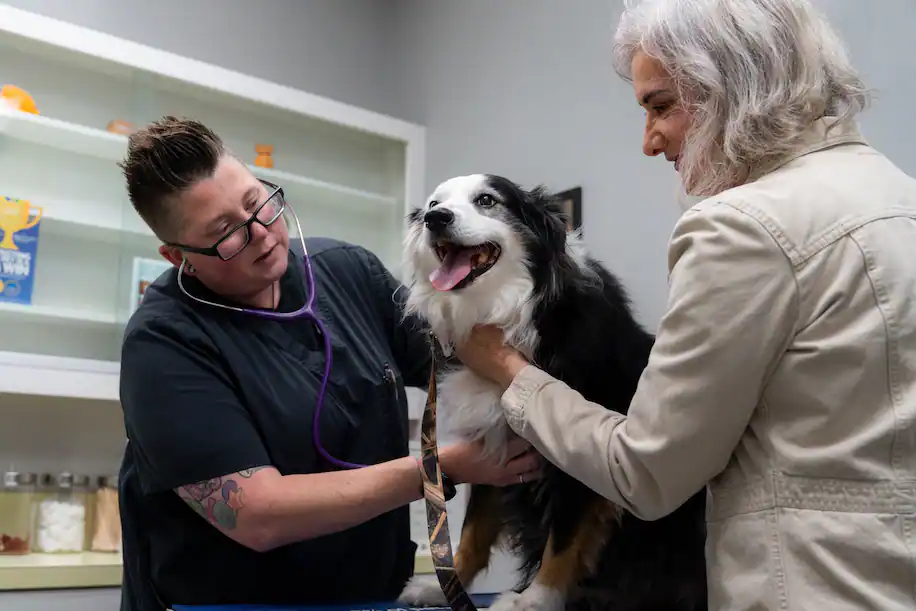
Dog owners do many things to keep their companions happy and healthy. They could soon add an antiaging pill to their pooch’s regimen of walks, vet visits and belly rubs.

Loyal, a biotech start-up based in San Francisco, said Wednesday that a drug it developed to increase canine lifespan passed a significant milestone on the way to regulatory approval.

The Food and Drug Administration certified the daily pill as having a “reasonable expectation of effectiveness” at extending senior dogs’ lifespans.

The regulator’s Center for Veterinary Medicine still has to certify that the drug is safe and that Loyal can manufacture it at scale before vets can prescribe the pill to dogs 10 years or older who weigh 14 pounds or more.

While the drug’s cost to consumers is yet to be determined, Halioua said in a Zoom interview that she wants to make Loyal’s treatment accessible to as many dogs as possible, ideally for under $100 per month.

Read the full story: See Spot live longer: Antiaging pill for dogs clears key FDA hurdle

相关:

RapAdmin

Researchers led by the Texas A&M College of Veterinary Medicine and Biomedical Sciences (VMBS) have received $7 million from the National Institutes of Health (NIH) to expand a clinical trial studying rapamycin’s ability to extend the lives of companion dogs as part of The Dog Aging Project (DAP).

The DAP is a collaborative, community scientist-driven, data-gathering research project that launched in 2019 as a joint effort between the University of Washington School of Medicine and Texas A&M, with other collaborating institutions. It enrolls companion dogs from all backgrounds to study the effects of aging and gain a better understanding of what contributes to a long and healthy canine life, which also helps to expand medical knowledge surrounding human aging. To date, more than 50,000 dogs have been enrolled in the study.

Test of Rapamycin In Aging Dogs (TRIAD) is the third DAP clinical trial involving rapamycin, a generic drug that has long been used as an immunosuppressant during organ transplants in people. Previous DAP studies have shown that in small doses, the drug appears to improve cardiac function in dogs.

To enroll in either the DAP or TRIAD, owners can visit the DAP’s website. Owners interested in TRIAD can take a preliminary “fast track” survey to find out if their dog is likely to be accepted to the TRIAD study.

Read the full article: https://today.tamu.edu/2025/01/06/dog-aging-project-nih-grant-to-expand-trial-of-anti-aging-drug/

相关阅读:

RapAdmin

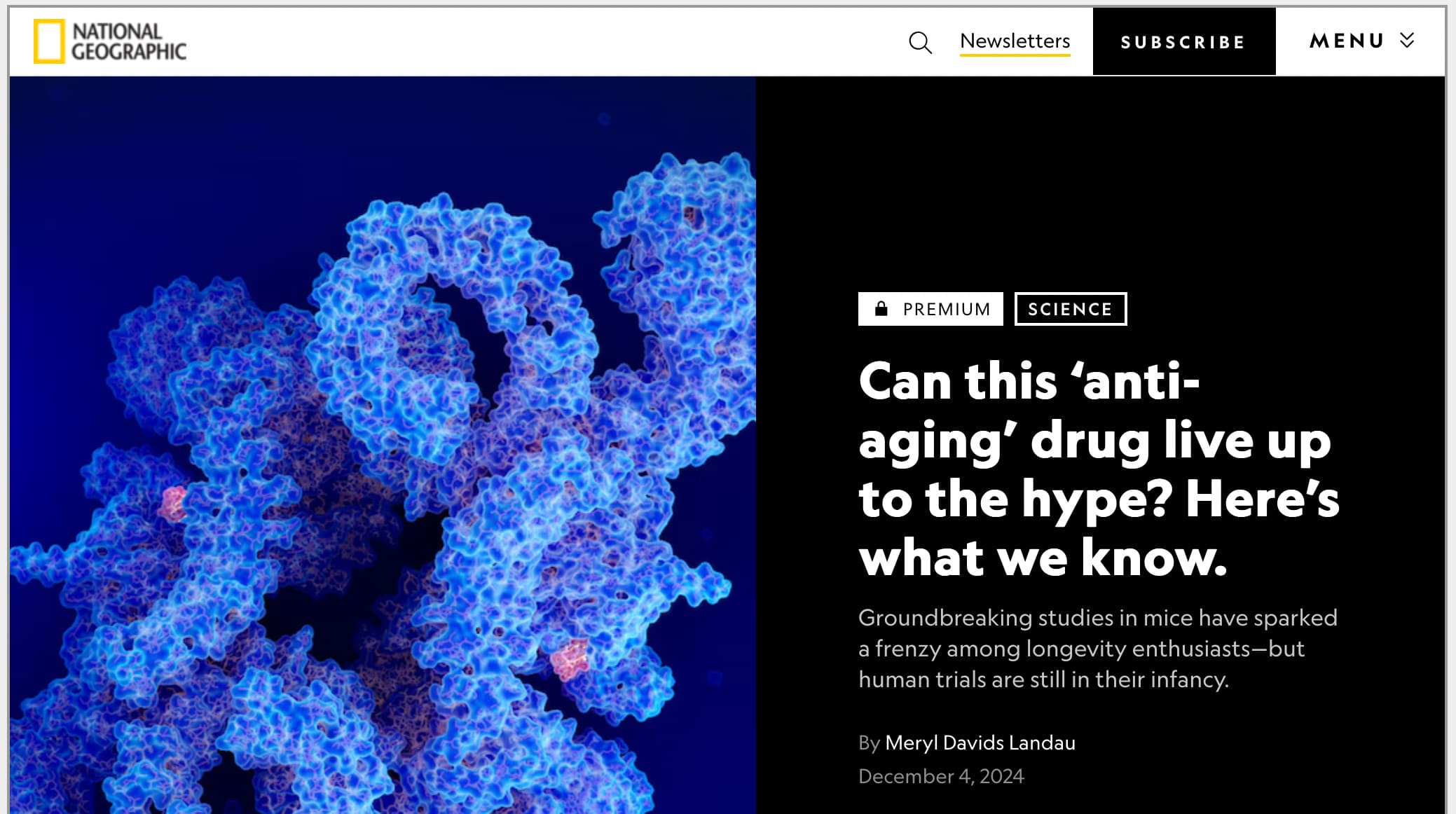
The quest for the fountain of youth may go back centuries, but it’s only in the past two decades that scientists may be close to finding it—at least as it pertains to yeast, flies, and mice.

The elixir of interest to both researchers and longevity seekers is the prescription drug rapamycin. Some anti-aging influencers like Peter Attia, a physician and popular podcaster who devoted a chapter to the drug in his recent bestseller, Outlive, are enamored by its possibilities. But whether it truly extends life and expands people’s disease-free years remains an unanswered question.

Years of research in mice have shown that rapamycin “is the most robust and reproducible drug” when it comes to increasing lifespan and slowing the aging process, says Matt Kaeberlein, a longtime rapamycin researcher at the University of Washington in Seattle

完整文章在这里: Can this ‘anti-aging’ drug live up to the hype? Here’s what we know. (NatGeo)

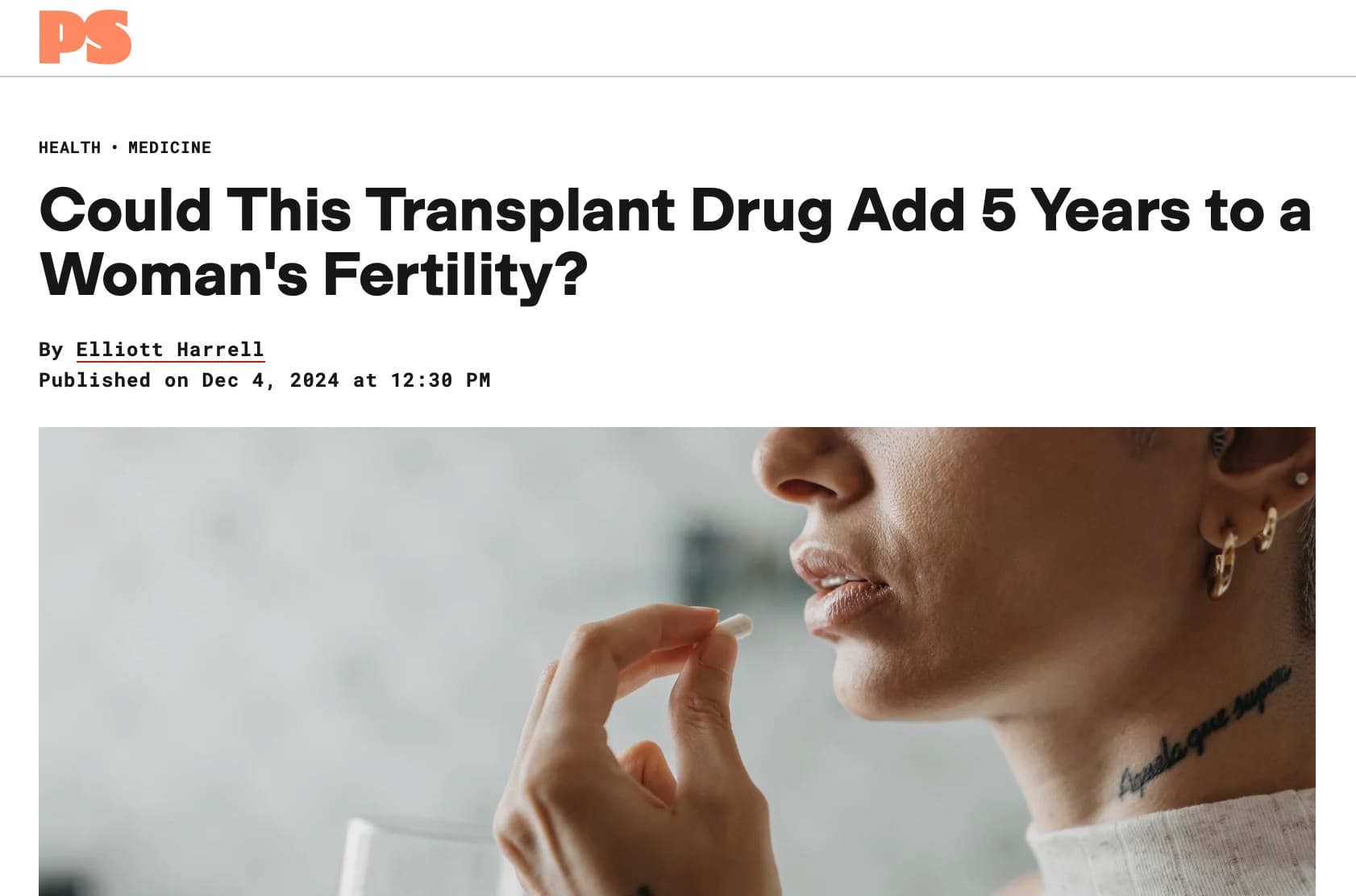
Could This Transplant Drug Add 5 Years to a Woman’s Fertility?

You don’t have to watch “The Substance” to recognize society’s obsession with antiaging: endless products promise to keep you looking younger on the outside. Additional tactics like eating particular diets or trying to boost your metabolism attempt to tackle antiaging from the inside out. But there’s one drug you’ve probably never heard of that many doctors feel confident can actually slow the aging process: rapamycin.

Several studies back up the claims, but until recently, most research has focused on people 50-years-old and older. Now, a new study claims younger women can benefit from taking the drug. Since it’s capable of extending fertility and delaying menopause, it would benefit women’s whole-life health in a multitude of ways.

So, what is rapamycin, and should you be taking it? Read on to learn more about the benefits and risks associated with the drug — and whether you should ask your doctor about it at your next visit.

Experts Featured in This Article: Zev Williams, PhD, is the director of the Columbia University Fertility Center in NYC.

Read full story: Could This Transplant Drug Add 5 Years to a Woman’s Fertility? (Pop Sugar)

RapAdmin

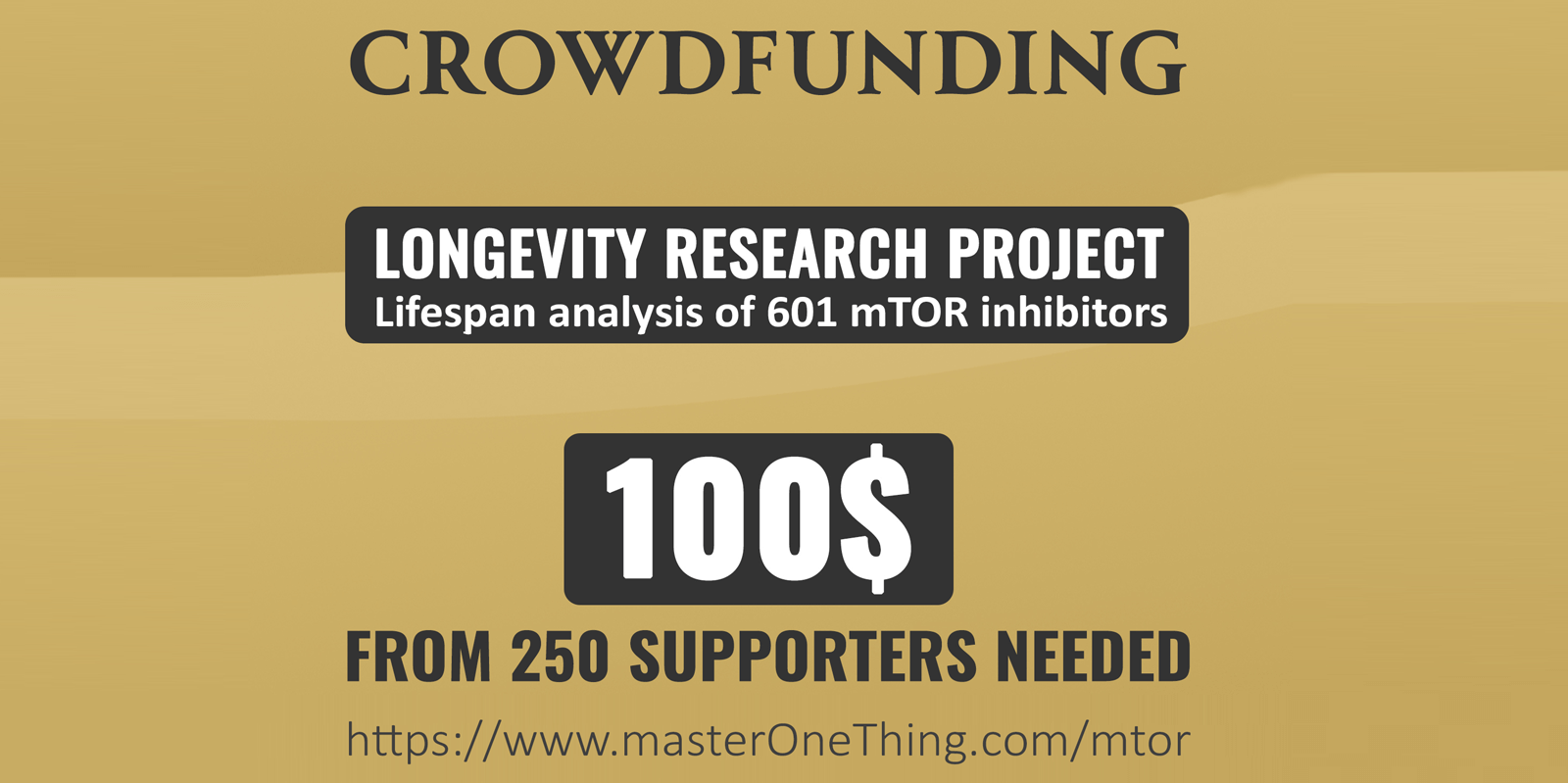
Ora Biomedical and the Rapamycin Longevity Lab have launched a project to screen more than 600 mTOR inhibitors in the hope of finding some that are superior to geroscience’s poster child, rapamycin.

One found, 600 to go

The newest Ora’s project is a collaboration with the Rapamycin Longevity Lab led by Krister Kauppi. It entails screening more than 600 mTOR inhibitors to find the ones that work best.

“Currently, rapamycin is considered the gold standard longevity intervention – it works across many animal and even non-animal fungal models,” said Ora CEO Mitchell Lee. “The mechanism of mTOR inhibition has seen extensive development in cancer therapeutics. There’s a broad toolkit of mTOR inhibitors with different patterns of inhibition between mTOR complex 1, mTOR complex 2, and impacts on other kinases. Nobody has comprehensively looked to see if any are better than rapamycin.”

The current project began as a smaller partnership within the Million Molecule Challenge when, in an experiment funded by Kauppi and the Rapamycin Longevity Lab, Ora discovered an mTOR inhibitor that was superior to rapamycin in worms at the same dose. This molecule, called omepalisib, has already been approved by the FDA for treating certain types of cancer, so its way to the clinic as a geroprotector (anti-aging drug) might be relatively short.

Read the full Lifespan.io story here: New Crowdfunding Project Looks for a “Better Rapamycin”

Learn more here: RAPAMYCIN LONGEVITY LAB High-efficient lifespan analysis of 601 mTOR inhibitors

Be a part of new longevity discoveries by helping out in funding $100 to the largest lifespan analysis of 601 mTOR inhibitors. Thanks to this project we will deliver a big magnitude of unique data to the longevity field. We will also most likely discover mTOR inhibitors that are better than one of the most promising longevity compounds which is Rapamycin. We only need 250 funders who contribute with $100 each to be able to start the first sub project. So let’s together start moving this field forward! You find the link to the fundraising page below. If you can’t contribute financially then one other way is to help out in spreading the word about the project. Every bit of support counts!

Join the Effort Today (follow this link to contribute): Rapamycin Longevity Labs Fundraising Campaign (mTOR inhibitors #2)

RapAdmin

For the past few years we’ve been following, and reporting on, the exciting research revealing how rapamycin seems to slow aging of the ovaries, enhance fertility, and slow (or even reverse) menopause. Ovaries are the fastest aging organ in the human body, so it makes sense that we would see the best and quickest results with a compound like rapamycin that seems to slow aging in most organs and tissue types.

These human rapamycin clinical studies are being done by Yousin Suh, a professor of reproductive sciences at Columbia University and Zev Williams, associate professor of women’s health and the chief of the division of reproductive endocrinology and infertility at Columbia University Irving Medical Center.

Dr. Suh has said that early results are suggesting that it was realistic to hope the drug could decrease ovary aging by 20% without women experiencing any of the side-effects rapamycin can have, which range from mild nausea and headaches to high blood pressure and infections. In fact, Suh said, participants in the randomised, placebo-controlled study had self-reported improvements in their health, memory, energy levels and in the quality of their skin and hair: health improvements consistent with other studies into rapamycin that have suggested the medication can increase lifespan by 9-14% (or as high as 28% in some studies) while revitalising the immune system and organs that deteriorate in old age.

Well, it turns out that some professionals are already moving these early research findings into the clinic.

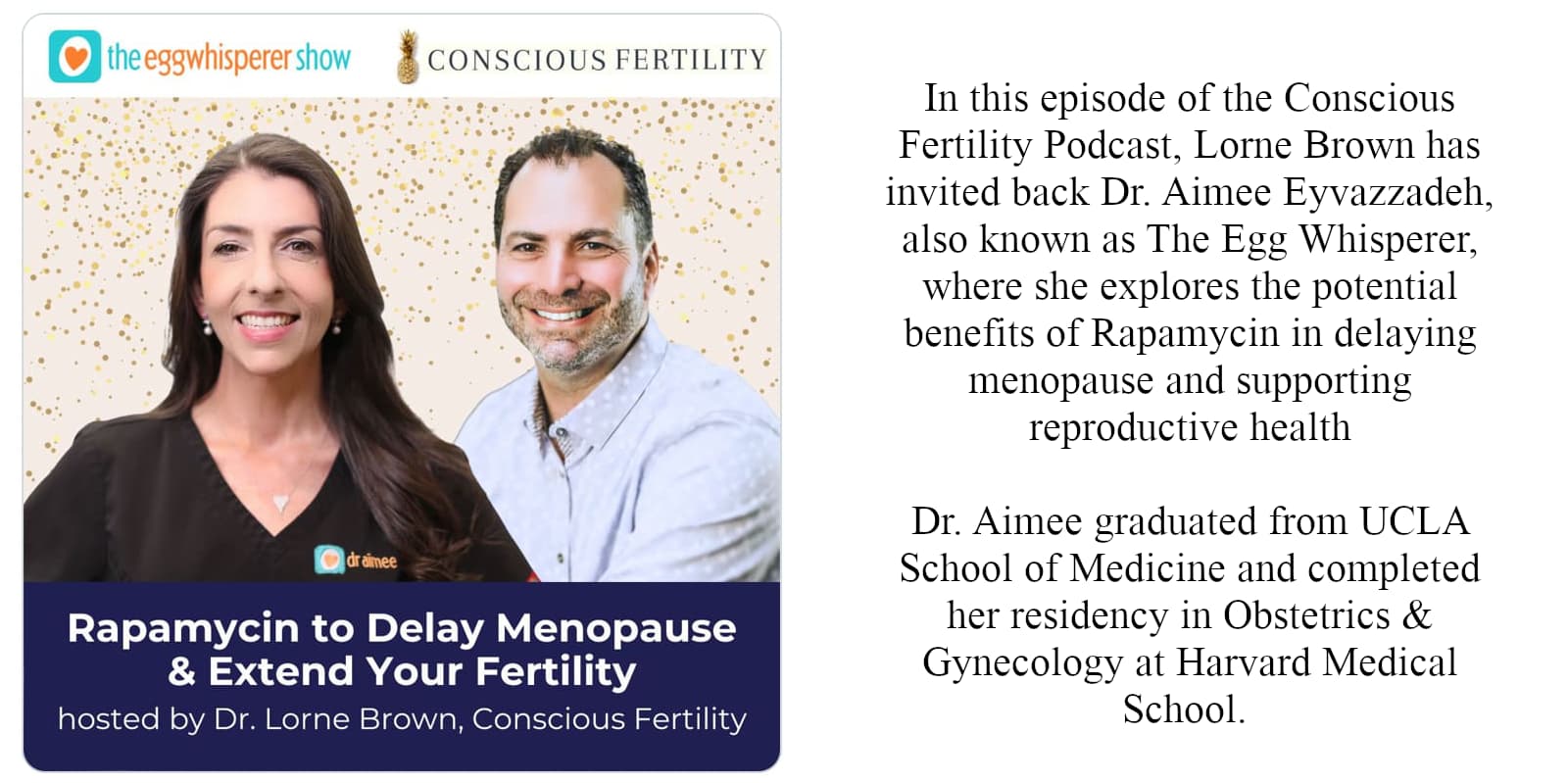
In this podcast with Dr.Aimee Eyvazzadeh (who runs a fertility clinic in San Ramon, CA) describes her own experiences with rapamycin, and how she is prescribing it to women to help with their fertility. She conveys that she has about 80 patients on rapamycin, and frequently is seeing significant benefits with rapamycin. She also discusses the few side effects that she and her patients have experienced with rapamycin use.

If this is an area of interest to you, I encourage you to listen to the podcast.

Listen / Watch Here: Podcast: Rapamycin to Delay Menopause with the Egg Whisperer Dr. Aimee Eyvazzadeh

相关阅读:

RapAdmin

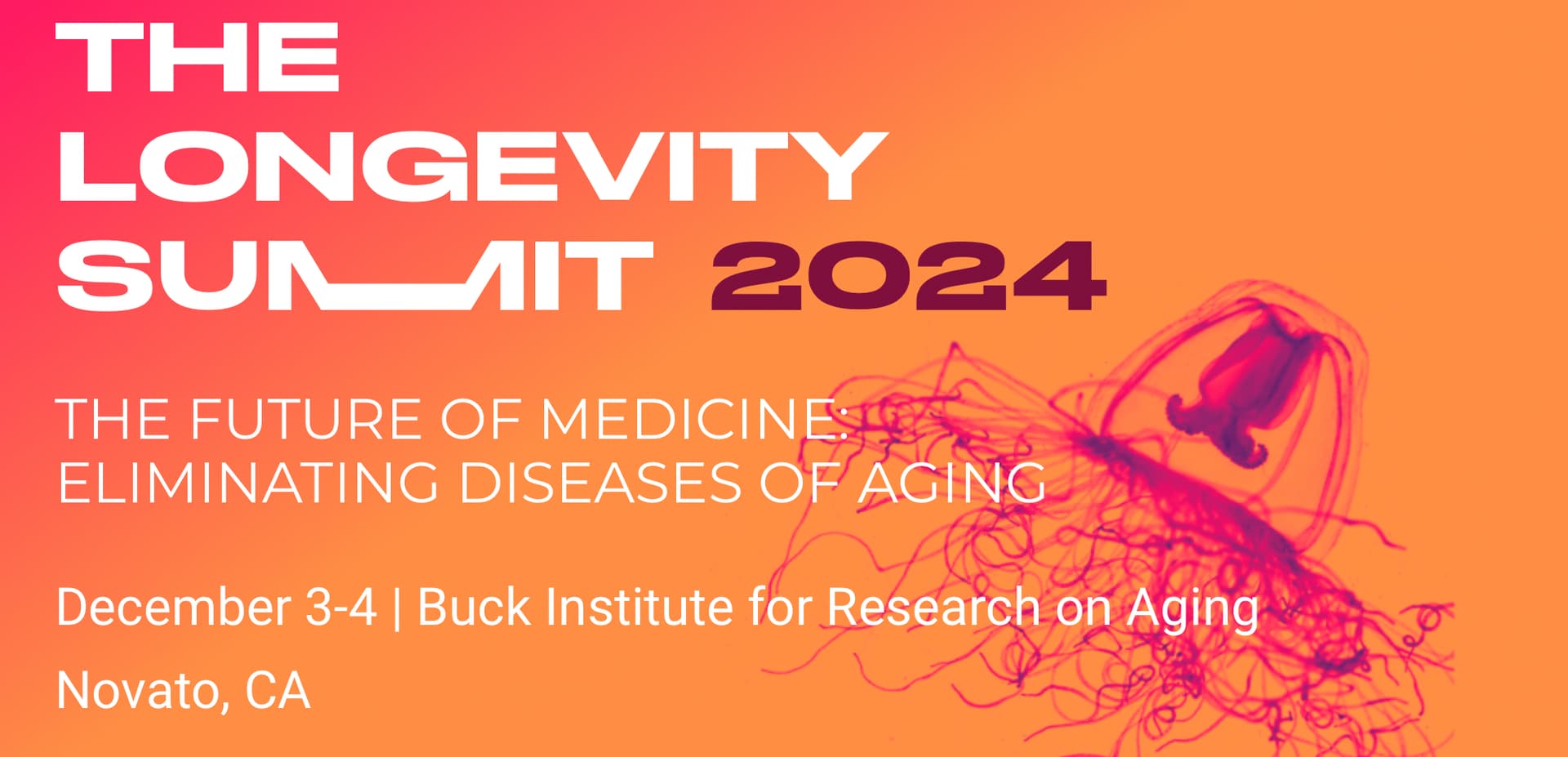
I encourage people who like to get deep into the biology of aging, or who are involved in the field, to join me in attending the 2024 Longevity Summit at the Buck Institute (30 minutes North of San Francisco). Let me know if you’re going as its always fun to meet up with other forum members.

This is The Longevity Summit’s fourth annual event! It will take place over two days at the scenic Buck Institute for Research on Aging in Novato, California. This immersive conference includes ample time to converse over shared meals and after hours wine and hors d’oeuvres. We gather the entire longevity ecosystem to tackle the aging problem: longevity entrepreneurs, existing pharma and biotech companies, investors, researchers, and government organizations.

Agenda: Longevity Summit 2024 Agenda

Register Today

You can use code “RapaNews24” for 10% off. Online/Virtual or in-person attendance options are available. Pricing from approx. $85 for virtual, to $460 (early bird tickets) for in-person attendance.

Reports from past longevity summits:

Jjazz

Important new results from AgelessRx on MedRxiv:

Abstract

Rapamycin has been shown to have longevity-enhancing effects in murine models, but clinical data on its gerotherapeutic effects in humans remains limited. We performed a 48-week double-blinded, randomized, and placebo-controlled decentralized study (Participatory Evaluation of Aging with Rapamycin for Longevity [PEARL]; NCT04488601; registration date 2020-07-28) to evaluate the safety and efficacy of rapamycin in mitigating clinical signs of aging in a normative aging cohort. Participants received 5 or 10 mg / week of compounded rapamycin, or placebo for 48 weeks. Safety, adverse events (AEs) and blood biomarkers were collected. Efficacy was assessed using DEXA scan-based measures and standardized surveys assessing quality of life (QoL) and frailty. We did not detect significant differences in safety blood biomarkers, or moderate to severe AEs between the rapamycin treatment groups and placebo after 48 weeks. We detected dose-dependent (10 mg group) and sex-specific improvements in lean tissue mass, pain, social functioning, overall QoL, and overall osteoarthritis score in females, and in bone mineral content in men. Additionally, some individuals receiving rapamycin experienced significant improvements in body composition metrics that were associated with beneficial changes in gut health and lipid metabolism. We conclude that low-dose, intermittent rapamycin administration over the course of 48 weeks is safe and induces sex-specific improvements in multiple aspects of healthspan, with the most robust improvements in lean tissue mass in women taking 10 mg rapamycin/week. Future work will aim to identify biometric signatures of clinical effectiveness to inform personalized treatment strategies that more broadly maximize efficacy and minimize side effects.

Full Paper:

https://www.medrxiv.org/content/10.1101/2024.08.21.24312372v1

相关阅读:

RapAdmin

More good news in the longevity field, this time from the Partridge lab at the Max Planck Institute for Biology of Ageing, where they combined two FDA-approved drugs with very good longevity results.

The researchers are, in this new pre-print paper, building on previous studies finding that lithium, trametinib and rapamycin can each extend lifespan in fruit flies (Drosophila), which is supported by other preliminary evidence in mice, worms, and cells, and observational findings in people.

The drugs all act on different cellular signalling pathways that together form the nutrient sensing network, which is conserved across evolution from worms and flies all the way to humans. This network adjusts what the body is doing in response to changes in nutrient levels. The drugs in question act on different proteins of this network to slow the ageing process and delay the onset of age-related death.

For the latest study, the researchers gave mice doses of trametinib and rapamycin, separately and in combination.

Trametinib treatment caused a significant lifespan extension in both sexes, in females, with a median lifespan extension of 7.2% but no significant effect on maximum lifespan, in males with an increase in median lifespan of 10.2% and maximum lifespan by 15.8%.

As previously shown, intermittent rapamycin treatment extended lifespan in both sexes with an increase in median and maximum lifespan of 17.4% and 16.5% respectively in females and 16.6% and 18.3% respectively in males.

Combined treatment with rapamycin and trametinib increased survival more in females than in males. Combined treatment caused a larger increase compared to the single treatment in both sexes, with median and maximum lifespan increased by 34.9% and 32.4%, respectively, in females and by 27.4% and 26.1%, respectively, in males.

“combined trametinib and rapamycin treatment is more geroprotective than treatment with either drug alone, suggesting immediate translational potential for humans”

From the paper:

Combination treatment reduced liver tumours in both sexes and spleen tumours in males, and ameliorated the age-related increase in brain glucose uptake. There was a striking reduction in inflammation in the brain, kidney, spleen and muscle with combination treatment, accompanied by reduced circulating levels of pro-inflammatory cytokines. Trametinib alone is therefore geroprotective in mice, but combined trametinib and rapamycin treatment is more geroprotective than treatment with either drug alone, suggesting immediate translational potential for humans.

Full Pre-print Paper:

相关:
RapAdmin

Calico/ Abbvie is still working on ISRIB and clinical trials are in process. If anyone is trying ISRIB, please report on results. I wouldn’t trust suppliers from China (without good HPLC purity analysis done by an independent lab in the US).

“We can… take an old mouse and train it to do something, but it has a hard time learning. If you give it ISRIB, it learns like a teenager. So we can rejuvenate the learning behavior.”

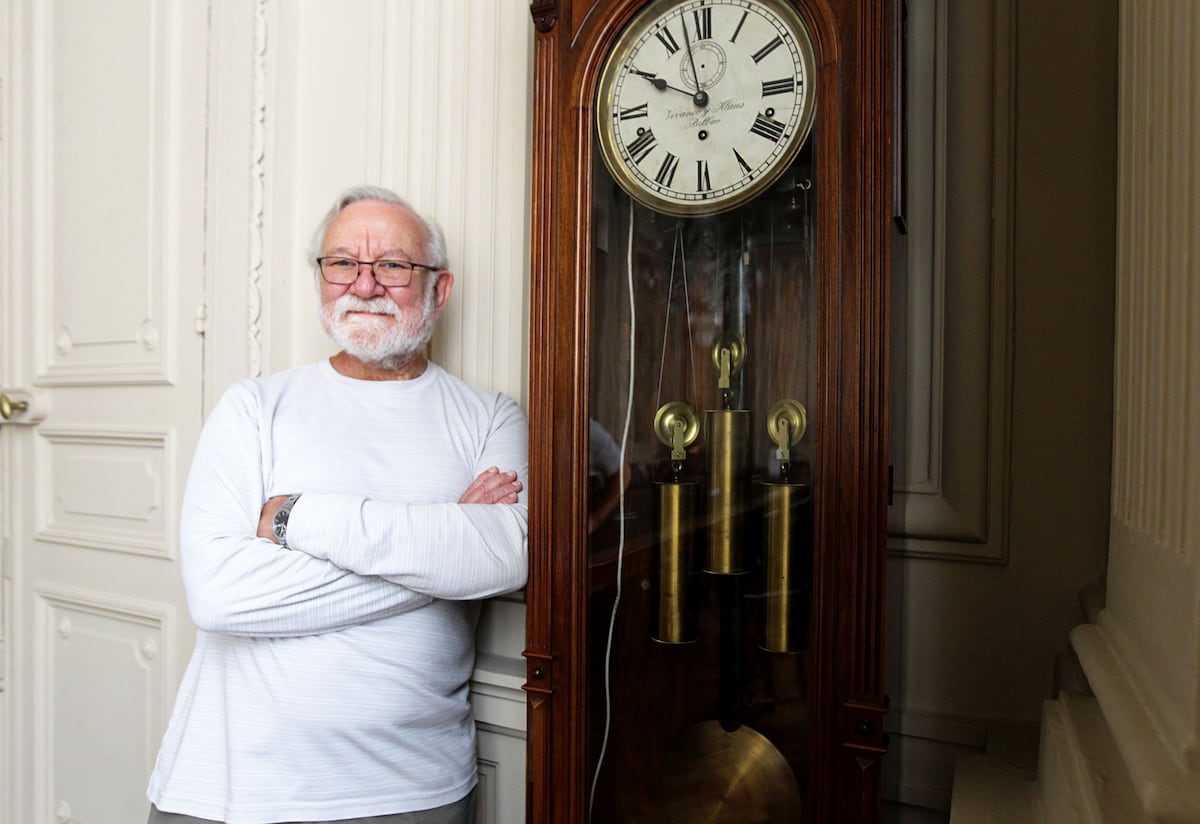
German biochemist Peter Walter and his Argentine colleague Carmela Sidrauski announced a momentous discovery just over a decade ago. They had found a molecule that was simple yet capable of tremendously enhancing the memory and learning capacity of their mice at the University of California, San Francisco. The experimental drug, called ISRIB, can be easily taken orally. The molecule has since achieved revolutionary results in animals: it has reversed age-related mental decline, restored memory loss due to head trauma, and improved memory in mice with Down syndrome.

The ISRIB molecule modulates the so-called integrated stress response, associated with this cell quality control mechanism. Walter, who is also a sculptor in his spare time, has made a statue with the real structure of this experimental drug. “It is made of bronze and weighs a quarter of a ton. I have it in my basement. The molecule is small and, if you are a chemist, it is pretty,” he explains. In 2015, Walter and Sidrauski licensed the ISRIB patent to Calico, a company linked to the founders of Google. The scientist answered questions from EL PAÍS in Bilbao, just hours before collecting the Frontiers of Knowledge Award.

Question. What are the potential therapeutic applications of ISRIB? You have talked about Alzheimer’s, Parkinson’s, amyotrophic lateral sclerosis…

Answer. We have tested it in various laboratory mouse models with neurodegeneration, cognitive defects, learning problems… And we see effects in a huge number of them. In my lab, we can basically cure head trauma in mice. After suffering brain damage, like football players, they cannot memorize anything, but ISRIB restores their memory completely. We can also take an old mouse and train it to do something, but it has a hard time learning. If you give it ISRIB, it learns like a teenager. So we can rejuvenate the learning behavior.

Q. Does ISRIB cause any relevant side effects?

A. We have never seen any.

Q. None?

A. None, it is totally benign.

Read the full story:

More reading on ISRIB:

RapAdmin

From today’s Guardian Newspaper, an update on the Columbia University fertility study with rapamycin:

Dr. Suh said early results suggested it was realistic to hope the drug could decrease ovary ageing by 20% without women experiencing any of the 44 side-effects rapamycin can have, which range from mild nausea and headaches to high blood pressure and infections.

In fact, Suh said, participants in the randomised, placebo-controlled study had self-reported improvements in their health, memory, energy levels and in the quality of their skin and hair: health improvements consistent with other studies into rapamycin that have suggested the medication can increase lifespan by 9-14% while revitalising the immune system and organs that deteriorate in old age.

“The results of this study – the first in human history – are very, very exciting. It means that those with age-related fertility problems now have hope when before, they didn’t,” said Suh.

Ovaries release eggs continuously: women lose about 50 every month, with just one reaching ovulation. A small, weekly dose of rapamycin slows ovaries down, so they release only 15 eggs a month. Suh and Williams estimate this decreases the organs’ ageing by 20%.

Read the full story here:

More information on this topic, and our forum members experiences: