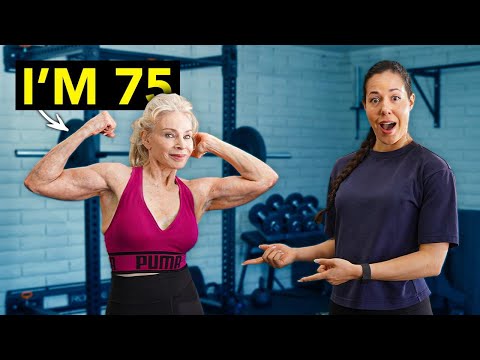
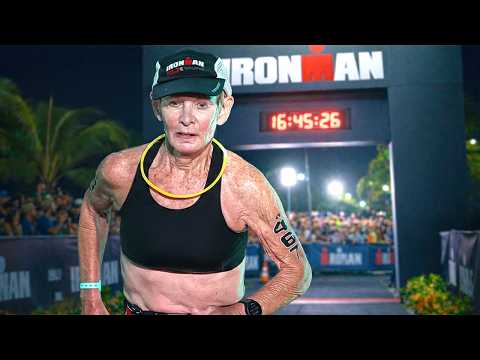
Here is a tidy transcript, summary, and critique of the video featuring Dr. Natasha Vita-More.
Video Information
Title: 75-Year-Old Futurist’s Longevity Routine: Diet, Exercise & Transhumanism
Source: YouTube Link
Subject: Dr. Natasha Vita-More, a 75-year-old transhumanist, discusses her approach to aging, health, and the future.
1. Summary
Overview
In this episode, host Sierra visits Dr. Natasha Vita-More in Arizona. At 75, Natasha is physically fit, cognitively sharp, and a leading figure in the transhumanist movement. The interview covers her daily protocols for longevity, her philosophical outlook on life extension, and the habits she maintains to stay “jacked” and vibrant.
Key Takeaways:
-
The Morning Protocol: Natasha wakes up naturally around 6:00 AM but utilizes the “4 AM creative window” for writing affirmations. She skips traditional breakfast (intermittent fasting) and prioritizes Pilates for core strength and flexibility to counteract the shrinking that comes with age.
-
Nutrition: Her first meal is “brunch,” consisting of high protein (fish/salmon) and vegetables (kale, cucumber). She avoids fried foods and excessive carbs but allows flexibility for treats like ice cream and chocolate to avoid rigidity.
-
Supplementation: She takes a personalized stack including Vitamin B Complex, Vitamin D with K (specifically for a deficiency she discovered via hair analysis), Omega-3s, and a multivitamin. She emphasizes testing over following trends.
-
Exercise Philosophy: She works out seven days a week. Her philosophy is “suck it up and keep moving,” even when facing pain from arthritis or past cancer battles.
-
Neuroplasticity & Work: She refuses to retire, viewing her work as play. To prevent dementia, she forces her brain to do challenging tasks she doesn’t want to do to create cognitive stress and new neural pathways.
-
Transhumanism: Along with her husband Max More, she advocates for cryonics as a “safety net” and is optimistic about AI and future technologies that might allow for consciousness uploading.
-
Evening Routine: She prioritizes laughter (comedy shows), dancing with her husband, and stargazing to maintain perspective and reduce stress.
2. Critique
Strengths
-
Living Proof: Natasha is a compelling subject because she embodies her advice. At 75, her physical agility and cognitive speed are demonstrably impressive, lending credibility to her routine.
-
Holistic Approach: Unlike some “biohackers” who focus solely on supplements or data, Natasha emphasizes the psychological aspects of aging—vanity, creativity, laughter, and human connection—as equally important to diet and exercise.
-
Pragmatism: She offers a refreshing counter-narrative to rigid health influencers. She admits to eating ice cream and chocolate “gingerly” and advises listeners to do what works for their specific biology (e.g., her Vitamin K deficiency discovery).
-
Production Quality: The interview is well-paced, mixing sit-down conversation with active demonstrations of her workout and cooking, keeping the viewer engaged.
Weaknesses & Limitations
-
Anecdotal Evidence: While inspiring, the advice is largely N=1 (based on one person’s experience). Her success may be heavily influenced by genetics (“good genes” is admitted by her husband) rather than just her protocol.
-
Accessibility: The lifestyle portrayed (organic salmon, extensive supplement stacks, cryonics memberships, Pilates equipment) implies a socioeconomic status that may not be accessible to the average viewer.
-
Vague Specifics on “Science”: While she mentions “scientific research,” the video stays quite surface-level regarding the specific clinical data behind her choices compared to other longevity content creators (like Bryan Johnson or Peter Attia).
-
Transhumanism Polarisaton: The segment on cryonics and uploading consciousness is a radical shift from the practical health advice. While fascinating, it may alienate viewers looking strictly for wellness advice who find the concept of “living forever” via technology dystopian or unrealistic.
3. Tidy Transcript
(Note: This transcript has been edited for clarity, removing filler words like “um/uh,” repetitive stammers, and the mid-roll advertising segment to focus on the content.)
[00:00] Intro
Narrator: This is Dr. Natasha Vita-More. At 75, she’s jacked and unbelievably healthy. And she lives by one clear motto:
Natasha: I do things that are challenging that I don’t want to do.
Narrator: But her health journey hasn’t always been easy. Natasha battled cancer and arthritis.
Natasha: I was so embarrassed. I started crying. “Why can’t I do this?” [But] there’s nothing you can do. Just keep on moving and suck it up.
[00:38] The Longevity Routine
Sierra (Host): 75 and so full of life. Your longevity routine—is this something that anyone could do?
Natasha: Yes, I think so. They have to commit legitimately and get on with it.
Sierra: Try to wake up as late as possible?
Natasha: Really, I do wake up automatically around 6:00 or 6:30. While I’m still in bed, I like to nurture that creative time in the middle of the night, that 4:00 in the morning. I wake up… I have a creative moment that can last anywhere between 15 minutes to an hour and write some affirmations or positive action items for me to do throughout the day. And then, Pilates.
[01:12] Pilates & Flexibility
Natasha: Show me the magic. Okay, the first position, 90 degrees. Point your toes. Very good. Okay, now go back. Arms straight up.
Sierra: This is hard.
Natasha: Oh yes. And roll up and stretch your legs out.
Sierra: Why Pilates?
Natasha: Pilates because it’s all about the core. The core of your body aligned and tight so that you can stand tall rather than shrinking. Remember, as we age, we kind of go down.
Sierra: Do you feel like Pilates is something that everyone should do?
Natasha: Being flexible is most important. You don’t have to be a big bodybuilder. You don’t have to be a ballerina or a gymnast, but you need to be able to get up and down and to move about. Keep those muscles going. Keep the bones going. Pilates helps with flexibility, especially the joints in the hips and the shoulders.
Natasha: Then I can get up and do the standing head-to-knee. Put all your weight on your left leg. Lift your legs up and stretch out.
[02:24] Meditation & Max More
Sierra: After Pilates, what happens next?
Natasha: I usually take a break and meditate.
Sierra: I’m going to leave you to that. Is Max home?
Natasha: Yes, just down the hallway on the left.
Narrator: Max More is a philosopher and futurist who, alongside his wife Natasha, helped shape the transhumanist movement, advocating for the use of science and tech to elevate human potential.
Sierra: So, Max, how did you meet Natasha?
Max More: First of all, I’m kind of amazed there was a Natasha to meet. She was so unusual. Timothy Leary, who was well known in the 60s… hosted a party for people interested in life extension and cryonics. That’s where I met Natasha. We kind of spotted each other across the room and locked eyes.
Sierra: If science and technology were to allow us to live for centuries, how do you think that would change love and relationships?
Max: That’s one of those questions where the main answer really is “I don’t know.” But I would speculate that… people tend to let themselves go as they get older because it seems like an inevitable thing. But if it’s not, you got to take better care of yourself.
Sierra: What do you feel has enabled Natasha to age so beautifully?
Max: I think some of it must be good genes. People consistently underestimate her age by quite a bit—something like 15, 20 years off easily. It’s amazing how much she exercises. That definitely has a lot to do with it. You want a pill or something? Not going to happen. You got to put in the work. I think also diet. We are very keen on healthy diets.
[05:36] Brunch & Diet
Sierra: Brunch. First meal of the day. Why don’t you eat breakfast?
Natasha: There’s no reason. I just enjoy a morning free of food and just with my thoughts. I do my writing, my journal, a meditation, Pilates… and it just fits.
Sierra: What do you tend to make?
Natasha: I tend to have a protein and vegetables. I try not to have carbs. Maybe a little piece of toast if I have acid in my stomach. Otherwise, I’ll go straight with a fish like salmon or tilapia. With avocado, cucumber, and some kale.
Sierra: How do you think about food?
Natasha: I’ve experimented over the years. Everyone’s body is different so you have to know what works for you. I think how we prepare our food is crucial. Fry it in oil to a hot temperature? It’s going to destroy the elements of the food. I want to cook my salmon fast on either side. Japanese food is the best for me.
Sierra: Do you eat ice cream?
Natasha: Yes, I do. And I love chocolate.
Sierra: How do you decide if that’s okay?
Natasha: Very gingerly. Very delicately. It’s not part of my daily diet, but if we’re too rigid with our taste buds, it’s going to affect us in other ways.
Sierra: Have you always been that way?
Natasha: I learned it as a child. I was addicted to sugar like most children.
Sierra: How did you break that sugar addiction?
Natasha: It was tough. I just one day said, “Stop it. You have a sugar addiction.” I became a vegetarian in my 30s… but that made me sick. I have to have the meat.
[08:50] Supplements
Sierra: Besides food, is there anything else that you take?
Natasha: In my vitamin pack: Vitamin B complex. I take calcium. Every night, I take Vitamin D with K. And I take Omega-3.
Sierra: How did you decide what to take?
Natasha: You read so much and it’s confusing. I think the most important thing is to check what our body needs. I take Vitamin K because I had a deficiency and I didn’t know it.
Sierra: How did you find out?
Natasha: I went to a nutritionist just out of curiosity. She did a sample of my hair… the report came back, everything was great, but I did have a Vitamin K deficiency.
[10:30] Work & Neuroplasticity
Sierra: What does your work look like? Do you work non-stop?
Natasha: I think there’s a difference between work and a job. I have a number of different projects I’m committed to right now deeply involved in scientific research and longevity.
Sierra: You’re 75 and still working. What keeps you wanting to work?
Natasha: I don’t think of it as work, it’s play to me.
Sierra: Is working a part of your longevity practice?
Natasha: You’re spot on with that. Neuroplasticity is really important to me. More and more people are going to suffer from dementia. Those of us who want to do something about it need to exercise our brains.
Sierra: How do you exercise your brain?
Natasha: I do things that are challenging that I don’t want to do. My mother had dementia… she did crossword puzzles every day. Don’t do crossword puzzles every day. Once you do something every day, it becomes a habit. Do a challenging task that is going to stress you a little—enough to make you go, “I don’t want to do this,” and then do it.
[13:03] Cancer & Mindset
Narrator: Another challenge she’s overcome: cancer three times. She beat bladder cancer in 2001, then faced skin cancers in 2010 and 2023.
Sierra: What drives you to keep going even when facing difficulties like arthritis?
Natasha: Number one, love of life. Number two, vanity. I have to be very honest. There’s that side of me that was the beauty queen, a model for years. That’s surface. The bottom line is that if you feel good on the inside, you’re going to feel good on the outside.
[14:10] Fitness Strategy
Natasha: Seven days a week I work out. I leave myself a flexibility one day where I just want to meditate or take a walk. Exercise is the number one most important thing for longevity. Even before diet, even before attitude. The old saying “get up and move” is so important.
Sierra: Has there ever been a time where you felt defeated working out?
Natasha: Oh gosh, just recently. I was at the gym trying to lift a 45-pound weight… and I couldn’t get the weight up past my shoulder. A guy came over to help me. I was so embarrassed. I started crying. I thought, “What is going on with my body?” And I sat down and thought about it… there’s nothing you can do. Just keep on moving and suck it up. I have friends who complain about their bodies not working… and they stop. No, you can’t do that. You just got to keep on going.
[16:38] Cryonics & The Future
Sierra: There are some biohackers who plan to live forever. Is that something that you want?
Natasha: I want to live as long as feasibly possible in the best conditions possible.
Sierra: Is that where cryonics comes into play?
Natasha: Cryonics is the best safety net we have today. The only alternative would be death. Cryonics gives us an option to maybe be put in stasis, preserved until a time when science and technology can advance to a point where our disease could be cured.
Sierra: Speaking of AI, do you think AI will kill us all?
Natasha: I don’t know. No. There’s a big theory about existential risk… but technology has only improved and made life better for us.
[18:30] Evening Routine
Sierra: Your evening routine, what do you do?
Natasha: I watch TV.
Sierra: Is that part of your longevity routine?
Natasha: Yeah, it is. It does two things. First, I watch comedy—laughter is one of the greatest anti-aging therapies there is. Second, it keeps me in the flow of the majority of people.
Natasha: Max and I either cook together or trade off. Then we watch a movie or series because it takes us out of our own reality. And then we dance. At least two or three times a week, one of us will put on some cool music, turn it up full blast, and we dance with the boys [dogs]. Or we’ll go outside and study the stars. It’s another way of going, “Okay, we’re here on Earth and we’re tiny little specks.” It puts things into perspective.
[20:04] Advice
Sierra: If you were to give a piece of advice to your younger self?
Natasha: Don’t be afraid. Just because you grew up in an era where you’re told you couldn’t or shouldn’t… don’t pay attention. Do what you want to do, but do it with a level of integrity and authenticity.