Gut Check: Common Postbiotic ‘Butyrate’ Identified as Potent Senomorphic
Researchers at the University of Birmingham report that butyrate, a short-chain fatty acid made by fibre-fermenting gut bacteria, can blunt the ageing of human T cells. In older people, both stool and blood butyrate levels fall, and lower levels track with more “senescent” (worn-out but inflammatory) T cells. In the lab, adding butyrate to activated T cells from older donors dialled down their inflammatory secretions (IL-6, IL-8, IL-1beta), reduced DNA-damage and mitochondrial stress markers, and suppressed mTOR/NF-kB signalling. In mice, transferring butyrate-rich stool fluid from young animals cut the build-up of senescent T cells in the spleen. The work positions butyrate as a candidate “senomorphic” — a drug that quiets senescent cells rather than killing them.
As we age, a population of exhausted immune cells accumulates in the body. These “senescent” T cells stop dividing but refuse to die quietly — instead they leak a cocktail of inflammatory molecules that drives the chronic, smouldering inflammation (“inflammaging”) linked to everything from Alzheimer’s to heart failure and rheumatoid arthritis. Clearing or silencing these cells is one of the hottest strategies in longevity medicine.
A team led by Niharika Duggal at the University of Birmingham, working with the Quadram Institute, has now pointed the finger at the gut. The big idea: the trillions of microbes in our intestines help keep the immune system young by producing short-chain fatty acids — chiefly butyrate — when they ferment dietary fibre. As the microbiome ages and diversity is lost, butyrate production falls, and the immune system may pay the price.
The researchers first showed the correlation in people. Comparing 40 young (18-37) and 40 older (60+) adults, they found butyrate dropped with age in both stool and, for the first time, in blood serum. Crucially, the less butyrate an older person had in their stool, the more senescent T cells circulated in their blood.
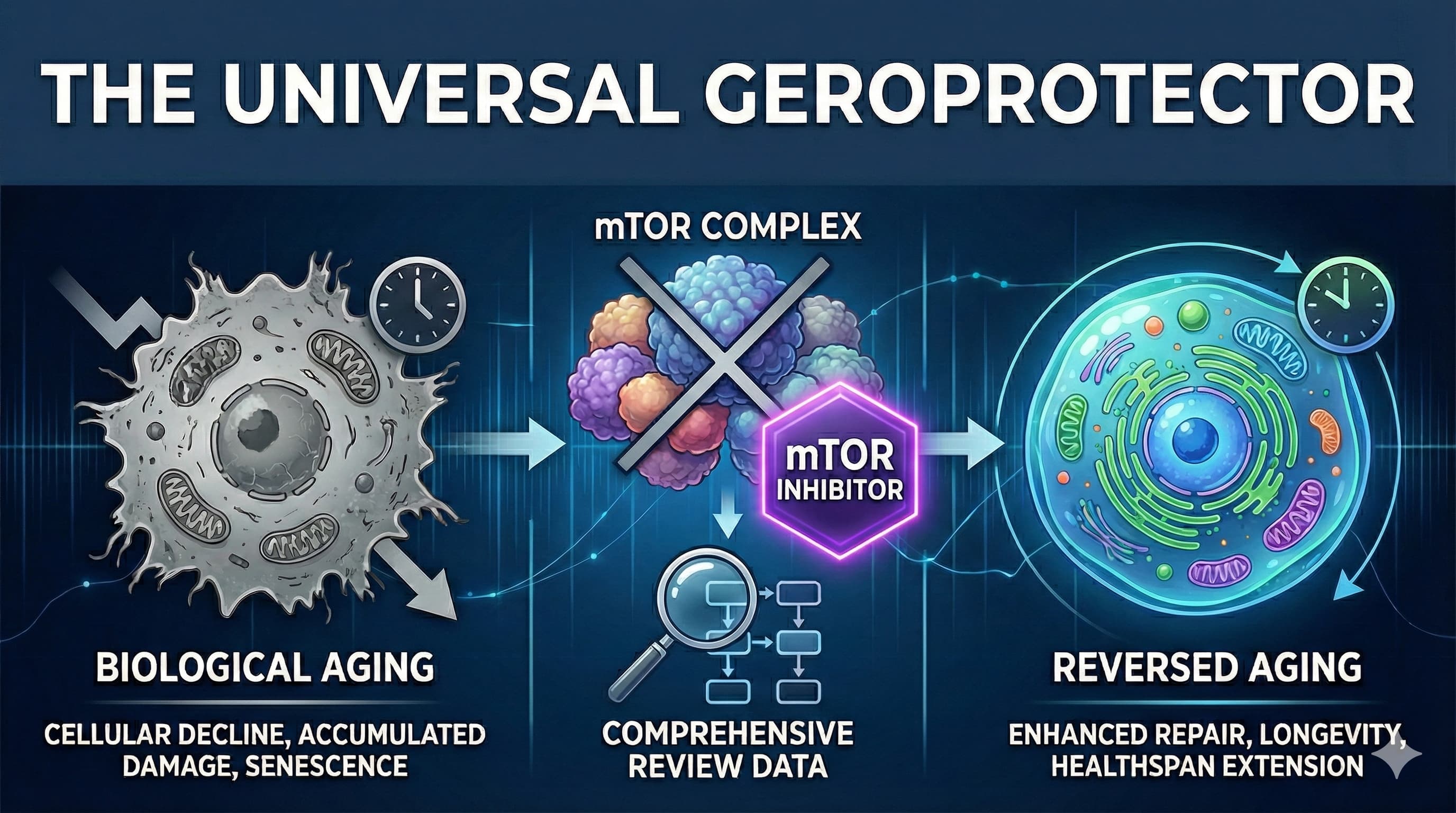
To test causation, they turned to the lab. Taking T cells from older donors and forcing them to divide repeatedly — an accelerated ageing model — they bathed some in butyrate. The treated cells behaved younger: they secreted far less IL-6 and IL-8, carried fewer DNA-damage marks, generated less mitochondrial “rust” (reactive oxygen species), and showed damped activity in the mTOR and NF-kB pathways that orchestrate inflammatory ageing. A gene-expression scan confirmed butyrate switched down a signature panel of senescence and inflammation genes.
Finally, in aged mice whose microbiomes had been wiped with antibiotics, a transplant of butyrate-rich fluid from young mouse stool reduced the number of senescent T cells and inflammatory IL-6 in the spleen.
The authors are careful: this is mechanistic and preclinical work, not a clinical trial. But it strengthens the case that a high-fibre diet, prebiotics, or eventually butyrate supplements could become a gentle way to keep the ageing immune system in check. The next step is a proper human trial.
Actionable Insights
The practical hook is dietary, not pharmaceutical — the paper itself recommends raising butyrate “through dietary, microbial, and therapeutic approaches,” specifically more fibre (fruit, vegetables, legumes, whole grains), prebiotics (inulin, fructooligosaccharides), and butyrate-producing probiotics. Supplement forms floated for future trials are oral sodium butyrate and the precursor tributyrin. No dose, formulation, or human efficacy for anti-ageing has been established, so any action today is a reasonable bet on general gut health, not a proven longevity intervention.
Effect-size reality check: the strongest human data point is a correlation — stool butyrate explained about 43% of the variance in senescent CD8 T-cell frequency (R-squared = 0.43, equivalent to r ≈ 0.66, a large association; and R-squared = 0.21, r ≈ 0.46 for a second subset). This is an association, not proof that raising butyrate lowers senescence in you.